
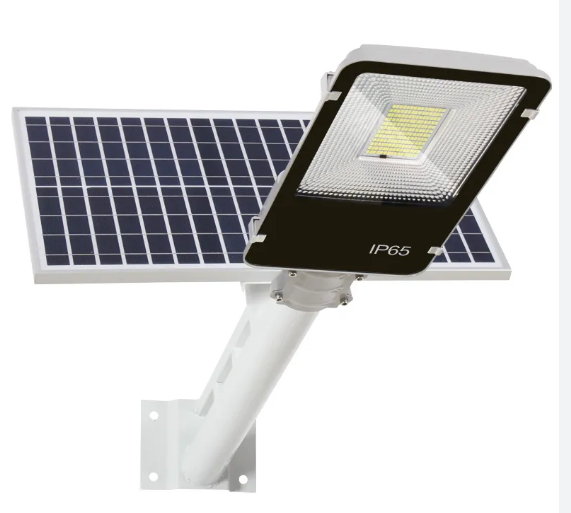
Those who have installed solar LED lights at home have surely noticed the small charging indicator light on the light pole. It flashes red and green, sometimes not even lit, leaving many confused: Is the light charging? Is it broken? Actually, this little light is the “mouth” of the solar LED light; its different colors and states are telling you something. Today, we’ll explain these secrets in layman’s terms.
First, let’s talk about the most common red light. As long as there’s sunshine during the day and the solar panel receives sunlight, this light will most likely be red. This means simply: “I’m working hard to charge, don’t disturb me!” Just like the red light when our phone is charging, it’s a normal working signal. However, be careful; if the red light isn’t on a sunny day, there might be a problem. Either the solar panel is covered by leaves or dust, or the wiring is loose. You’ll need to check the solar panel and the wiring; this usually solves the problem.Can Solar LED Lights Be Connected to Electricity?
Next is the green light. When the green light is on, it means the charging “task is complete.” Generally, as evening approaches and the sun sets, the solar panels stop charging as they no longer receive sunlight. At this time, the red light goes out and the green light comes on, meaning “fully charged and ready to operate!” If the green light comes on after only a short period of sunshine during the day, don’t be too happy. It might mean the battery wasn’t fully charged before “slacking off,” most likely due to battery aging or the solar panel not being properly angled to receive enough sunlight.Can Solar LED Lights Be Installed on Billboards?
Another possibility is that the indicator light doesn’t turn on. In this case, consider two possibilities before immediately assuming the light is broken. First, it’s normal for it not to light up at night when there’s no sunlight, as it’s not charging and it’s not yet time to turn on; it’s “resting.” Second, if it still doesn’t light up during the day despite sunlight, you need to pay more attention. Besides the previously mentioned issues of obstruction and wiring, it could also be a problem with the indicator light itself, or a faulty solar panel or battery. Try cleaning the solar panel and checking the wiring. If it still doesn’t light up, have a professional check it; don’t try to fix it yourself.Can Solar LED Lights Be Installed in Carports?
Another small detail: some solar LED lights may have flashing indicator lights. A flashing red light generally indicates “charging is a bit difficult,” possibly due to insufficient sunlight, such as on a cloudy day or in the evening, as the solar panel tries its best to collect weak light for charging. A flashing green light usually indicates “the battery is almost full, it will be fully charged soon.” Some lights flash yellow, which is a “warning signal,” indicating a battery problem; it’s neither charging nor discharging, and the battery needs to be checked immediately.
Actually, don’t overcomplicate the charging indicator lights. Just remember a few simple rules: red light = charging, green light = fully charged, no light when there’s no sun = normal rest, no light when there’s sun = possible malfunction. Regularly checking this little light will allow you to know the status of your solar LED light. For example, if the red light is consistently off, cleaning the solar panel will ensure the light is fully charged and stays lit longer at night.
Another small reminder: the indicator light colors may vary slightly between different brands of solar LED lights, but the core meanings are similar. If you’re still unsure, consult the instruction manual; don’t guess. After all, this small light is a “barometer” of solar LED lights. Understanding it is essential to ensure that solar LED lights work properly, saving us electricity bills and illuminating the way.