
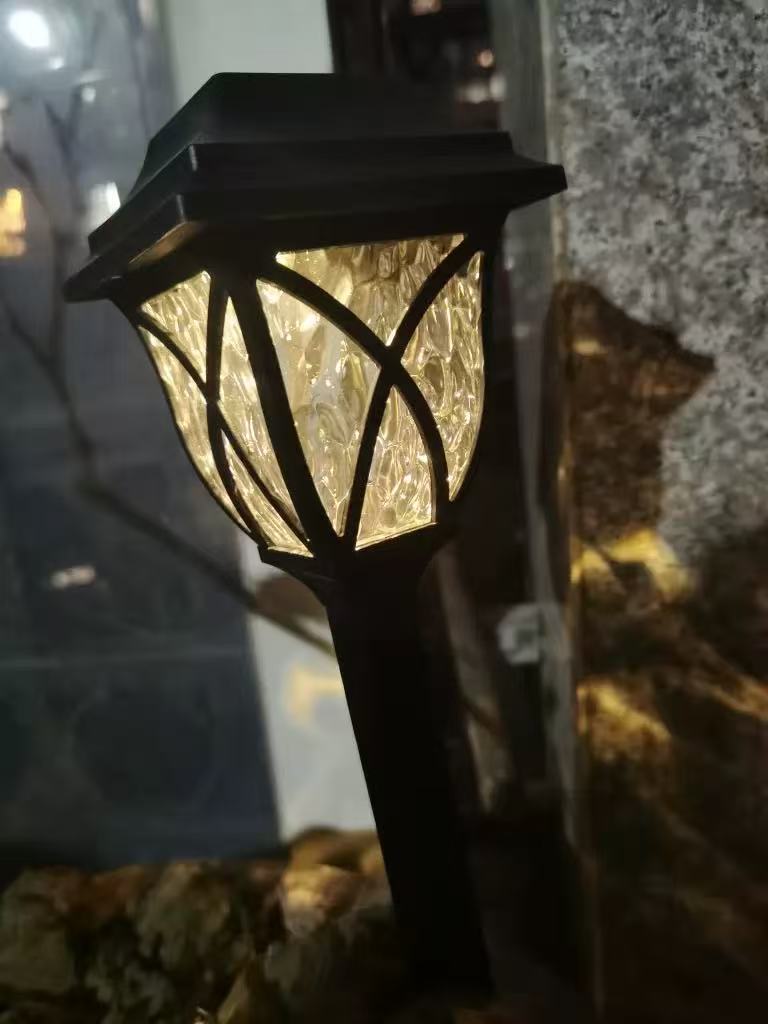
Many families like to install solar garden lights in their yards. They illuminate paths at night and look nice. But the biggest concern is: will the lights break when it rains? After all, outdoor weather is unpredictable; it might be sunny in the morning and pouring rain in the afternoon. Today, we’ll conduct a simple waterproof test to see if a common solar garden light can withstand various rainy days.Are Solar LED Lights Fast to Charge?
First, we’ll use very simple equipment: a common solar garden light, a water hose with adjustable flow, a bucket, and a timer. The test will be conducted in a typical yard, the same environment where most people install lights, ensuring reliable results. We won’t use complicated equipment; we’ll use what we can find at home, since most people don’t use specialized instruments to test their lights after purchase.Can solar LED lights be installed under the eaves?
The first step is to simulate light rain. We’ll adjust the water hose to a thin stream and slowly pour water onto various parts of the solar light, just like raindrops falling on it. Simultaneously, we’ll turn on the timer and let the water flow continuously for 30 minutes. During this time, we monitored the light’s status and found it remained constantly lit without flickering or dimming. After turning off the water flow, we carefully touched the light’s casing; there were no signs of water seepage, and the inside was dry. This step was easily passed.Can Solar LED Lights Be Installed in Hallways?
Then came the second step: simulating a heavy rainstorm. Summers abroad often bring torrential downpours, which puts the light’s waterproof capabilities to the test. We turned the hose to maximum flow and sprayed the light intensely, paying particular attention to areas prone to water ingress, such as the connectors, solar panel, and battery compartment. This spray lasted for three minutes, with a water flow intensity even greater than a typical downpour. After spraying, we quickly checked, and the light was still working normally. Opening the battery compartment, we found it completely dry, without a single water droplet. It must be said, the light’s seal is quite good; even with such a large amount of water, it didn’t seep in.
The third step was to test short-term immersion. Sometimes heavy rain can cause flooding in the yard, and the light might be submerged for a short period. We filled a bucket with water and submerged the solar light, ensuring the water level was about 1 meter above the light body, for 30 minutes. During this time, we checked on it every few minutes, and the light remained on completely unaffected by the water. After 30 minutes, we removed the light, dried the casing, and checked all the interfaces; the inside was still dry, and all functions were working perfectly.
During the test, we also noticed a small detail: a small drainage hole at the bottom of the light. The staff explained that this hole prevents moisture from accumulating inside the light; even if a small amount of water gets in, it can drain out through this hole. This design is quite thoughtful, like having a “drain pipe” for the light, eliminating worries about moisture accumulating inside and damaging the parts.
Many people see “IP65 waterproof” labels when buying solar garden lights. This test shows that lights meeting this standard can withstand most outdoor rainy weather conditions abroad. Whether it’s light rain, sudden downpours, or brief flooding, they all function normally. However, it’s important to remind everyone that although the light is waterproof, don’t intentionally submerge it in water for extended periods. After all, it’s for lighting, not an underwater light.
After the test, we reinstalled the light in the yard, and it continued to function normally, absorbing solar energy during the day and automatically turning on at night. After these rounds of testing, its performance was completely unaffected. For families who like to install solar lights in their yards, this level of waterproofing should be reassuring; they no longer need to worry about the lights breaking in the rain, nor do they need to go through the trouble of removing the lights before every downpour.