
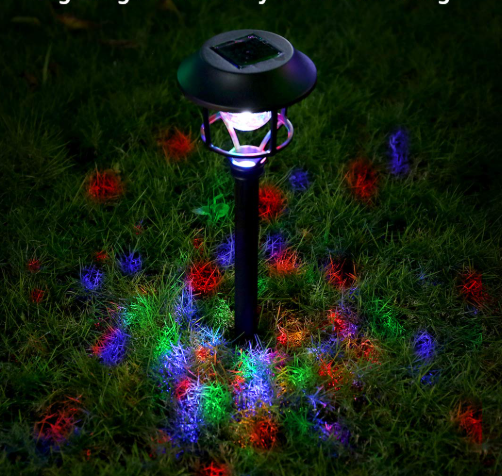
When you’ve carefully selected a uniquely designed solar light for your garden, your biggest concern is whether it can withstand the test of wind and rain. After a heavy downpour, the light flickers a few times and then goes out completely—this is often a typical sign of waterproofing failure. The waterproof rating is the most important technical indicator determining the lifespan and reliability of a solar garden light, bar none. Understanding it will help you avoid most pitfalls in purchasing and using it.Solar Garden Light Sensor Mode
I. The Key Code: Deciphering the “IPXX” Protection Code
All reputable outdoor lighting fixtures will be labeled with an “IP” protection rating, which is an internationally recognized standard. The code consists of “IP” followed by two digits, each with a specific meaning.Solar Garden Light Automatic Switch Setup
· First Digit (Protection Against Solid Objects): For garden lights, the most important digit is “6,” representing complete dustproof protection. Dust cannot enter, ensuring the internal circuit board remains clean for a long time.
· Second Digit (Waterproof Rating): This is the core of the design. The higher the number, the stronger the waterproof capability. For garden lights, at least IPX4 (splash-proof) is required, with IPX5 (spray-proof) and above recommended.Solar Street Light Repair Methods
A standard example: IP65
- “6”: Completely dustproof.
- “5”: Protects against damage from low-pressure water jets from all directions.
- Conclusion: This is a very suitable protection level for outdoor use.
II. Choosing by Scenario: How waterproof do your garden lights need?
For purchases, please add the following WhatsApp contact.
Garden lights are not installed in the same location, so waterproof requirements vary. Here are specific recommendations based on the installation location:
Installation Location & Scenario | Minimum Recommended Waterproof Rating | Reasons & Risks | Ideal Choice
Grass Ground Lights: IP44 Closest to the ground, easily splashed by sprinklers and submerged in water. IP44 protects against splashes and general rain. IP65/IP66: Withstands heavy rain and strong water jets, longer lifespan.
Paved/Path Lights: IP54 Also faces rain splashes, but with a lower risk of water accumulation than on grass. IP54 provides basic dust and all-around splash protection. IP65: Completely dust and water spray protection, capable of withstanding various harsh weather conditions.
Wall/Pillar Decorative Lights: IP44 – Partially shielded by eaves or walls, but still at risk of slanting rain. Splash protection is required. IP54/IP65: Provides more comprehensive protection, preventing rainwater seepage through seams.
Submerged Water Feature Lights IP67/IP68 – Partially or completely submerged in water, facing continuous water pressure. IP67 can withstand short-term immersion (1 meter, 30 minutes), while IP68 can withstand long-term immersion (manufacturer-specified depth and time). Products clearly labeled IP67/68 must be selected; ordinary garden lights should never be used in this scenario.
Rainy/Coastal Areas: IP66 and above – Facing strong winds, heavy rain, high humidity, and salt spray corrosion. IP66 withstands powerful water jets, while IP67/68 provides top-level protection. For IP66/IP67, pay attention to the housing material (stainless steel or UV-resistant engineering plastics are recommended).
Key Recommendation: For most ordinary gardens in China’s climate zones, choosing an IP65-rated product is the “sweet spot” that balances safety, durability, and cost-effectiveness.
III. Beyond Ratings: Key Design and Maintenance Details Affecting Waterproofing
Looking at the IP rating alone is not enough; the following details also determine success or failure:
- Structural Sealing Design
- Integrated Body: Superior to multi-part assembly. The joints between the lamp body, screw holes, and battery compartment cover are weak points in waterproofing.
- Sealing Rings: High-quality products will be equipped with silicone sealing rings at all interfaces; this is a key physical structure for achieving a high IP rating.
- Solar Panel Encapsulation: The connection between the solar panel and the lamp body must be well sealed to prevent moisture from seeping in through the wiring inlets.
- “Breathing” and Condensation
- Dark Temperature Differences: Outdoor day-night temperature differences can cause condensation (fogging) inside the lamp. Good designs will use a “waterproof breathable valve (breathing valve)” to maintain waterproofing while balancing internal and external air pressure, expelling moisture, and preventing internal circuitry from becoming damp and corroded. This is one of the hallmarks of high-end products.
- Materials and Craftsmanship
- Shell Material: ABS engineering plastic, aluminum alloy, and stainless steel offer far superior anti-aging and UV resistance compared to cheap plastics.
- Soldering and Encapsulation: Whether the circuit board is encapsulated with waterproof adhesive is a professional practice for dealing with extremely humid environments.
IV. Common Misconceptions and Avoidance Guidelines
- Misconception 1: “Putting it outdoors makes it waterproof.” (Wrong! The IP rating must be clearly stated.)
- Misconception 2: “The higher the IP rating, the better; blindly choose IP68.” (Wrong! IP68 is expensive and often used in special scenarios. IP65/IP66 is perfectly adequate for gardens and is more economical.)
- Misconception 3: “Waterproof equals anti-aging.” (Wrong! UV rays will cause the plastic shell to become brittle and the sealing ring to age, ultimately leading to waterproofing failure. Therefore, the material is equally important.)
- Avoidance Guidelines:
- When purchasing, look for explicit terms like “IP65” on the product details page or instruction manual, rather than vague terms like “outdoor waterproof.” 2. Avoid purchasing products that are too cheap, poorly made, or have obvious seams.
- When not in use for winter or long periods, the ground light can be unplugged and stored to extend its lifespan.
Summary and Shopping List
When choosing solar lights for your garden, prioritize “waterproofing”:
- First, check the rating: Aim for IP65. This is the gold standard for outdoor lighting reliability.
- Second, consider the location: According to the table above, increase requirements for special locations (such as near water or in rainy areas).
- Details matter: Check the product images for clear sealing ring designs, unibody construction, and solid workmanship.
- Maintenance ensures longevity: Regularly clean dust and bird droppings from the solar panels and check the light body connections for signs of aging.
A solar garden light with excellent waterproof capabilities is not only an art piece illuminating the night but also a durable outdoor tool. It means you don’t need to worry after every heavy rain and saves you the trouble and waste of frequent replacements. Investing in the right level of waterproofing is like buying long-term peace of mind for your garden’s nighttime conditions.