
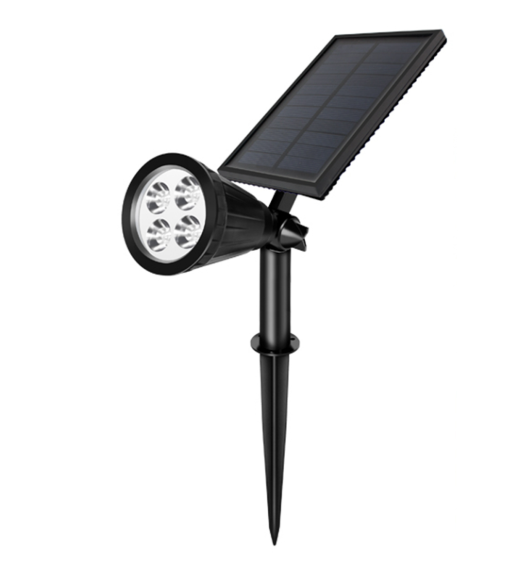
Many school playgrounds are now used not only during the day but also for after-school clubs and nighttime training. This necessitates reliable streetlights to illuminate the field, but ordinary streetlights require wiring and electricity bills, which is both troublesome and expensive. Many schools are struggling with whether solar streetlights are suitable for their playgrounds. The answer is: if you choose the right model, they can be even better than ordinary streetlights.Solar Garden Light Waterproof Test
First, the biggest advantage of solar streetlights is that they don’t incur electricity bills. Schools usually have fixed budgets, and using ordinary electricity for playground streetlights would result in a significant monthly expense. Solar streetlights are charged by the sun; they absorb enough sunlight during the day and automatically light up at night, eliminating the need to deal with the power company. This saves a lot of money in the long run, allowing schools to allocate funds to more important areas, such as purchasing sports equipment.Are Solar LED Lights Fast to Charge?
Furthermore, installation is extremely convenient. Playgrounds are generally large, and ordinary streetlights require digging and burying wires, which is not only time-consuming but can also damage the grass and running track. Solar streetlights don’t require wiring; simply find a flat spot to fix the base. Several can be installed in half a day. Many schools install them during holidays so they can be used immediately after the start of the new semester, saving the logistics department a lot of effort.Can solar LED lights be installed under the eaves?
Brightness is also not a concern. Many people feel that solar streetlights are not bright enough, but this is because they haven’t chosen the right model. For the needs of playgrounds, choosing a solar streetlight with sufficient brightness can fully illuminate areas like the running track and basketball court. Students running or playing basketball in the evening can clearly see the ground and their teammates, without worrying about falling or bumping into each other. Moreover, the brightness is adjustable; it can be dimmed to save energy when no one is around and brightened again when someone is using it, making it very flexible.
However, there are two small details to pay attention to avoid pitfalls. First, choose the right energy storage model. In some places abroad, there are many cloudy days and short daylight hours. If the solar streetlight’s battery doesn’t have enough power, it may not be able to stay lit all night. It is recommended to choose a model that can store enough power to keep the lights on for 3-5 nights even on cloudy days, ensuring uninterrupted use regardless of the weather.
Second, the installation location should avoid obstructions. Solar panels need sufficient sunlight to charge properly. If tall trees or school buildings block the sunlight around the playground, the streetlights must be installed in open areas, or branches must be trimmed regularly. Otherwise, the solar panels won’t get enough sunlight, rendering the streetlights useless. Schools must check this before installation.
Another advantage is safety and durability. Solar streetlights don’t have exposed wires, so students playing on the playground don’t need to worry about touching wires and getting electrocuted, making them safer. Moreover, their casings are mostly waterproof and sun-resistant, able to withstand heavy rain and intense sunlight, requiring less frequent maintenance. Many schools only need to check the batteries once or twice a year after installation, making it very worry-free.
Many primary and secondary schools and universities have already installed solar streetlights on their playgrounds. For example, in some community schools, solar streetlights illuminate the playground for after-school sports activities, giving parents peace of mind about their children returning home late. In some university playgrounds, the brightness of solar streetlights is sufficient for nighttime team training, saving the school a significant amount on electricity bills.
Choosing solar streetlights isn’t that complicated. The key is to consider the local sunshine conditions and the usage time of the playground, then select the appropriate brightness and energy storage model. For schools, they are cost-effective, easy to install, safe, and durable, perfectly meeting the needs of the playground, making them a very cost-effective option.