
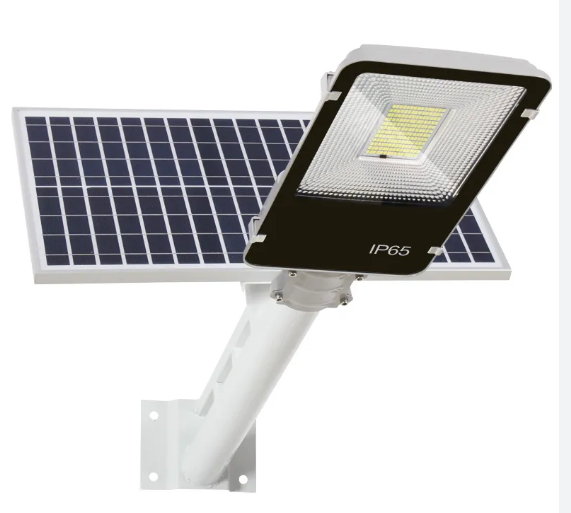
Solar LED lights have become a popular choice for home gardens and outdoor landscape lighting due to their energy-saving, environmentally friendly, and wiring-free advantages. However, many users encounter the following questions: What if the solar LED light’s battery life is insufficient during prolonged cloudy or rainy weather? Can it be directly connected to electricity? Actually, whether a solar LED light can be connected to electricity is not a simple “yes” or “no.” The key lies in the design type of the light fixture. Blindly connecting it to electricity may not only damage the equipment but also create safety hazards. Below is a detailed analysis of the relevant details to help you avoid common usage mistakes.Can Solar LED Lights Have Replaceable Batteries?
First, it’s important to understand that most conventional solar LED lights on the market are designed for pure solar power. These lights cannot be directly connected to electricity. Pure solar LED lights have built-in dedicated solar rechargeable batteries and photovoltaic conversion modules. The energy cycle logic is: “Solar panel absorbs sunlight → converts it into electrical energy → stores it in the battery → powers the LED light.” Their internal circuitry and interfaces do not have a pre-designed external power supply. Forcibly connecting these types of lights to power will directly damage their internal circuitry, leading to battery overcharging and damage, LED burnout, and even potential short circuits causing electrical leaks, fires, and other safety issues, completely violating the product’s design intent.A Comprehensive Guide to Waterproofing Ratings of Solar Street Lighting Systems
A few specially designed solar LED lights support a dual power supply mode of “solar energy + external power.” These lights can be used with power when there is insufficient sunlight, but must be used strictly according to specifications. These lights usually clearly indicate the parameters of the supported external power source in the product manual, such as the input voltage and current range, and are equipped with a dedicated external power interface (such as USB or DC interface). Some also include a matching power adapter. When connecting to power, the first step is to ensure that the power parameters are completely compatible with the light’s requirements. For example, if the light is labeled “DC 12V 1A,” an adapter of the same specification must be used; devices with higher voltage or current cannot be substituted. The second step is to ensure proper waterproofing of the interface, especially for outdoor lights. After connecting to power, wrap the interface with waterproof tape to prevent rainwater from seeping in and causing a short circuit. The third step is to follow the correct wiring procedures, ensuring that the interface is completely sealed when inserting the power supply to avoid poor contact and overheating.Can Solar Streetlights Be Used on Cloudy Days?
Besides the proper power connection procedures, there are several key points to remember when purchasing and using solar-powered lights. Carefully review product parameters and instructions to ensure dual power supply mode is supported. Avoid mistakenly purchasing pure solar lights and then forcibly modifying them for external power. If the lighting environment is consistently low in sunlight (such as courtyards blocked by tall buildings or basement exits), prioritize solar LED lights with dual power supply mode to ensure stable lighting. Even for lights that support external power connection, it’s not recommended to rely solely on external power for extended periods. Prolonged external power connection reduces battery cycle life. It’s advisable to switch back to solar power mode when sunlight is abundant to extend the overall lifespan of the device.
Furthermore, if a pure solar LED light experiences insufficient battery life, there’s no need to force it to connect to external power. Improvements can be made through safer methods. These include replacing the battery with a higher capacity one, adjusting the solar panel’s installation position (ensuring at least 6 hours of sunlight daily), and regularly cleaning dust and dirt from the solar panel surface to improve charging efficiency. If external power is unavoidable, it’s recommended to purchase a dedicated external power LED light rather than modifying a pure solar light.
In short, the key to whether a solar LED light can be connected to external power is “matching the light fixture’s design type.” Pure solar-powered lights must not be connected to electricity. Dual-powered lights must be operated according to specifications. We recommend that you choose the appropriate type of light fixture based on your usage scenario (lighting conditions, frequency of use) and follow the product instructions to ensure both lighting needs and equipment lifespan and safety.