
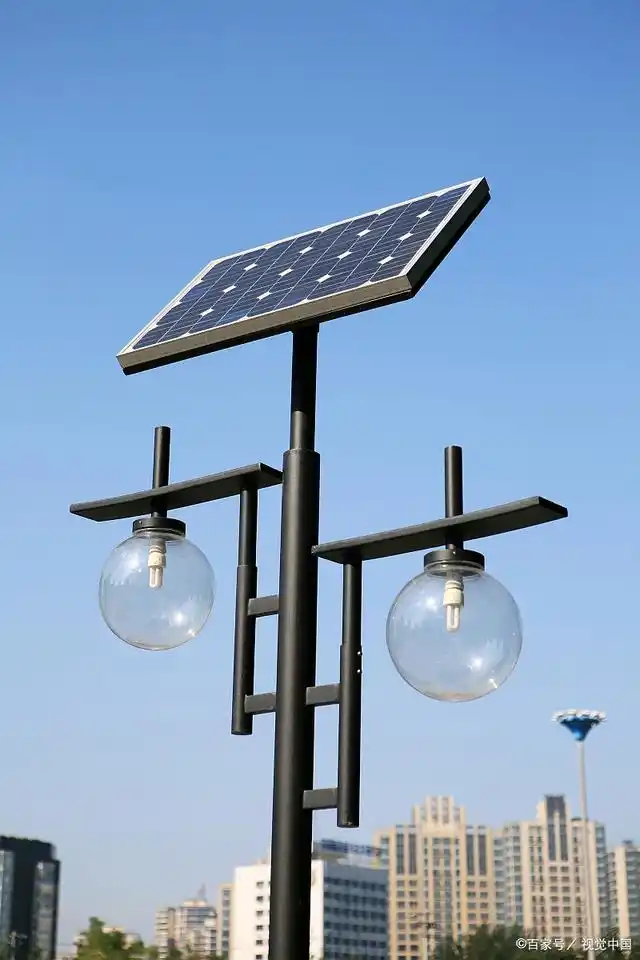
When solar streetlights fail to work, a systematic troubleshooting process can quickly resolve the issue. The following troubleshooting steps, sorted by probability of failure, will help you efficiently restore lighting. Solar Garden Light Automatic Switch Setup
I. Quick Diagnostic Steps
- Observe the indicator light status: A red indicator light should flash next to the solar panel during normal charging, and the light fixture should have an operating indicator during nighttime illumination.
- Check the recent weather: More than 3 consecutive days of cloudy or rainy weather may lead to insufficient battery storage.
- Simple function test: Simulate nighttime by covering the solar panel; the light should automatically turn on within 10 seconds.
- How long does it take to charge a solar LED light?
II. Common Troubleshooting Solutions
- Completely Unresponsive Fault
· Step 1: Clean the solar panel
Wipe the surface with a soft cloth to remove dust, bird droppings, snow, and other obstructions.
Note: Avoid scratching the glass layer with hard objects.
· Step 2: Check the physical switch
Most streetlights have a mechanical switch at the bottom; confirm it is in the “ON” position.Solar Street Light Repair Methods
Some models require pressing and holding the switch for 3 seconds to reset the system.
· Step 3: Battery test
Use a multimeter to measure the battery voltage (normal value: a 12V system should be above 12.5V).
If the voltage is too low, disconnect the load and charge for 24 hours before testing.
- Insufficient nighttime illumination time
· Battery Aging Assessment: Batteries used for more than 2 years may experience a 30% capacity reduction.
- Charging Efficiency Check: Measure the solar panel output voltage at 2 PM; it should be 1.5V higher than the battery voltage.
- Abnormal Power Consumption Detection: Disconnect the light source, leaving only the controller on, and observe the standby current (should be less than 10mA).
- Intermittent Lighting Fault
- Check All Wiring Terminals: Pay special attention to whether the battery clamps are oxidized or loose.
- Test the Photosensitive Sensor: Completely cover the probe with your hand; the light should light up immediately.
- Check for Poor Contact: Gently shake the light pole to observe if it flickers.
III. Component Replacement Guide
Solar Panel Replacement: Replacement is required when the following conditions occur:
For purchases, please add the following WhatsApp contact.
- Glass panel is cracked.
- Output power is less than 50% of the nominal value.
- Service life exceeds 8 years.
Replacement Points: The new panel’s power must be ≥ the old panel; the installation angle should be maintained at the local latitude +15°.
Battery Replacement: Replacement Timing:
- Full charge voltage is below 11V.
- Only lights up for 1-2 hours after charging
- Battery bulging and deformed
Selection Recommendation: Choose low-temperature resistant lithium batteries for cold regions; choose gel batteries for better cost performance.
Light Source Repair
LED Damage Characteristics:
· Some LED beads are blackened
· Overall noticeable dimming
Repair Solution:
- For a single damaged LED bead, short-circuit the corresponding circuit.
- For overall damage, replace the entire light board.
Note: The voltage of the new light board must match the controller.
IV. Special Circumstances Handling
Winter Fault Solutions
- Snow Cover: Install tilted brackets to allow snow to slide off naturally.
- Low Temperature Protection: Use low-temperature batteries in environments below -20℃.
- Insufficient Sunlight: Temporarily adjust the solar panel angle to 60° to increase winter sunlight.
Rainy Season Countermeasures
- Moisture Prevention: Place desiccant in the junction box.
- Waterproofing Inspection: Pay special attention to the sealing ring at the connection between the light head and the pole.
- Lightning Protection Recommendation: Install surge arresters in areas prone to thunderstorms.
V. Preventive Maintenance Plan
Monthly Maintenance
- 1. Clean solar panels (first week of each month)
- Check for tilting of the light pole
- Record changes in lighting duration
Quarterly Maintenance
- Tighten all bolts
- Check battery voltage
- Clean ventilation holes
Annual Maintenance
- Conduct a comprehensive system efficiency test
- Replace aged seals
- Refresh the protective paint layer
VI. Professional Repair Judgment Criteria
Contact a professional if the following situations occur:
- Controller fault code display
- Multiple streetlights malfunction simultaneously
- Still not working after replacing major components
- Safety hazards such as live light poles
Precautions
- Always disconnect all power before repairs
- Two people are required for high-altitude operations
- Dispose of used batteries according to environmental protection requirements
- Keep maintenance records for future reference
Through the above systematic troubleshooting, 90% of solar streetlight malfunctions can be resolved independently. Maintaining regular maintenance habits can extend the lifespan of streetlights by more than 30%. If all methods fail to resolve the issue, it is recommended to contact the original manufacturer’s technical support for a professional solution.