
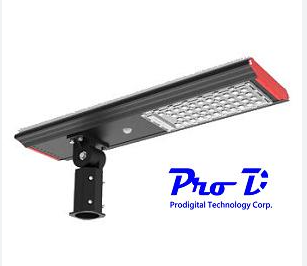
In the global wave of green energy transition, solar LED lights, with their unique environmental advantages and sustainable characteristics, are gradually becoming an important choice for lighting in many homes, businesses, and public spaces. However, one of the most pressing questions for users of this emerging lighting product is its actual lifespan. This article will delve into the real lifespan of solar LED lights and its influencing factors from multiple dimensions, including technical principles, environmental adaptability, and usage and maintenance. Are solar-powered LED lights any good?
I. Lifespan Composition of Core Technology Components
The lifespan of a solar LED light is not a single concept, but rather determined by the combined lifespan of three core components. The theoretical lifespan of an LED light source can reach 50,000 to 100,000 hours, meaning that under normal usage conditions, with 8-10 hours of lighting per day, the LED beads can operate continuously for more than 15 years. However, this is only a theoretical value under ideal conditions.
For purchases, please add the following WhatsApp contact.
The lifespan of solar panels is often even longer. High-quality monocrystalline or polycrystalline silicon solar panels, under normal usage conditions, can maintain more than 80% of their initial photoelectric conversion efficiency within 25 years. The key factor truly affecting the overall lifespan of a solar LED light lies in its energy storage system—lithium batteries typically have a cycle life of 800-2000 charge-discharge cycles. Assuming one charge-discharge cycle per day, this provides approximately 3-6 years of stable performance. In recent years, the application of lithium iron phosphate battery technology has extended this lifespan to over 3000 cycles, significantly improving the overall durability of the product. Outdoor Waterproof Performance and Usage Effect of Solar Garden Lights
II. The Impact Mechanism of Environmental Factors on Lifespan
Different climatic environments significantly affect the lifespan of solar LED lights. In temperate maritime climates, such as Western Europe, the mild and rainy environment places high demands on the waterproof and corrosion-resistant performance of the lights. In tropical regions, high temperature and humidity conditions may accelerate the aging of electronic components. In cold regions, extreme low temperatures can affect battery performance. These environmental factors can cause the actual lifespan of the same product to vary by 30%-50% in different regions. How bright are solar LED lights?
Sunlight conditions also affect lifespan performance. In areas with ample sunlight, solar panels can charge stably, and the battery cycle is in an ideal state. However, in areas with prolonged cloudy or rainy weather, the battery may be in a state of undercharging or over-discharging for extended periods, which will significantly shorten its lifespan. Therefore, in northern Germany or parts of the UK, choosing products equipped with larger capacity batteries and higher charging efficiency solar panels is particularly important.
III. The Extended Lifespan of Intelligent Management Systems
The intelligent control system of modern solar LED lights is a significant technological breakthrough in extending product lifespan. Advanced battery management systems precisely control the charging and discharging process, preventing overcharging and deep discharging, and minimizing battery wear. Intelligent temperature control systems automatically adjust operating conditions under extreme weather conditions, preventing damage to components from high or low temperatures.
The intelligent configuration of light and motion sensing systems not only saves energy but, more importantly, reduces unnecessary charge and discharge cycles. For example, automatically reducing brightness or entering sleep mode during quiet nighttime hours can extend battery cycle life by 20%-30%.
IV. The Key Role of Proper Use and Maintenance
Correct user habits are a crucial factor determining the actual lifespan of solar LED lights. Regularly cleaning the solar panel surface to maintain optimal photoelectric conversion efficiency; avoiding installing lights in low-lying areas where water may accumulate; and taking appropriate anti-freezing measures in extremely cold winter regions—these simple maintenance practices can significantly extend product lifespan.
The choice of installation location is also critical. To ensure the solar panels receive sufficient and even sunlight, avoiding the “hot spot effect” caused by partial shading; maintaining good ventilation around the lights to prevent heat buildup; and choosing products made of corrosion-resistant materials in coastal areas can all effectively extend their lifespan.
V. End-of-Life Performance and Replacement Strategies
The end of the lifespan of solar LED lights is usually a gradual process, rather than a sudden failure. The most common signs of aging include: gradually shortening nighttime illumination time, a slow decline in maximum brightness, and a gradual decrease in charging efficiency. These changes often occur slowly over several years, giving users ample time to prepare for replacement.
As products enter the later stages of their lifespan, the importance of modular design becomes apparent. Many high-quality solar LED lights employ replaceable batteries and modular light source designs, allowing users to restore performance by replacing only aging components without replacing the entire light, significantly improving the product’s overall lifecycle economics.
VI. Future Lifespan Outlook for Technological Development
With advancements in materials science and energy technology, the lifespan of solar LED lights is continuously increasing. The application of new materials such as graphene in the battery field is expected to extend the lifespan of energy storage systems to over 10 years; the maturity of perovskite solar cell technology may extend the lifespan of solar panels to 30 years; and advancements in solid-state lighting technology are pushing the lifespan of LED light sources towards 100,000 hours.
The development of intelligent early warning systems will also change the way products are managed. Future solar LED lights may be equipped with self-diagnostic functions, providing early warnings of battery aging or declining solar panel efficiency, allowing users to plan maintenance or replacement in advance.
Conclusion
The lifespan of solar LED lights is a complex system influenced by multiple factors. From initial product design and material selection to user installation, use, and maintenance, each step affects the final usage time. With continuous technological advancements, high-quality solar LED lights can provide stable service for 5-8 years or even longer, meeting most outdoor lighting needs. As users, understanding these influencing factors and taking appropriate maintenance measures will maximize product performance, allowing this green lighting solution to continue illuminating and heating for a longer period. In an era where sustainable development has become a global consensus, choosing and maintaining every solar LED light is not only a responsible investment but also a tangible contribution to environmental protection.