
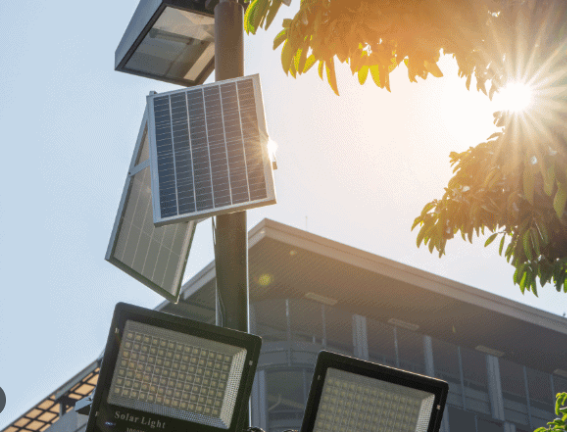
Choosing between white light (cool white light) and warm white light (yellow light) is not a simple matter of superiority or inferiority, but depends on your core needs, installation environment, and desired atmosphere. Both have their advantages and disadvantages in terms of technical characteristics and application scenarios.Are solar-powered LED lights any good?
I. Comparison of Core Technical Characteristics
- White Light (Cool White Light)
- Color Temperature Range: Typically refers to light with a color temperature of 5000K-6500K, close to midday sunlight.
- Visual Characteristics: Bright, clear, and focused light, better presenting the original colors and details of objects.
- Functional Advantages: High color temperature white light is more stimulating and enhances alertness both psychologically and physically. At the same power, the human eye perceives its brightness as slightly higher than warm white light.How bright are solar LED lights?
- Applicable Scenarios: Safety lighting, functional lighting, creating a modern style. For example: driveways, porches, garage entrances, work areas (outdoor kitchens, tool sheds), monitoring areas, and the surroundings of modern minimalist style buildings.
- For purchases, please add the following WhatsApp contact.

- Warm White Light
- Color Temperature Range: Typically refers to light with a color temperature of 2700K-3000K, similar to traditional incandescent bulbs or candlelight.
- Visual Characteristics: The light is soft, warm, and soothing, reducing glare and creating a relaxing atmosphere.How Long is the Lifespan of Solar LED Lights?
- Functional Advantages: Low color temperature warm white light is far less attractive to nocturnal insects than white light. Its diffusion effect is better, easily creating a warm, romantic, and inviting atmosphere.
- Suitable Scenarios: Ambient lighting, leisure areas, and traditional style combinations. For example: patio dining areas, patio sofa corners, garden paths, floral landscaping, and the facades of country and classic style residences.
II. Selection Suggestions Based on Typical Overseas Scenarios
- North American Detached House Backyard:
- Recommended Combination: Primarily warm white light, accented with white light. Use warm white light in the dining area and around the fireplace to create a warm family gathering atmosphere; use white light on both sides of the garage door and the back door steps to ensure safety when entering and exiting at night. Warm light can also reduce light intrusion into neighbors’ view, creating a more welcoming atmosphere.
- European Courtyards and Ancient Buildings:
· Recommendation: Prioritize warm light. Warm tones blend harmoniously with stone walls, wooden structures, and traditional gardening, enhancing the sense of history and elegant style, avoiding the disruption of the rustic and tranquil nighttime ambiance caused by cool white light.
- Public Pathways and Security Priority Areas:
· Recommendation: Prioritize white light. Areas such as garage driveways, side yard paths, and front door steps require clear visibility of road conditions and visitors’ faces; the higher contrast and clarity provided by white light are crucial.
- Tropical Resort-Style Gardens:
· Recommendation: Use a mix or choose a medium color temperature (4000K natural light). Warm light is needed to create a relaxing resort feel, while white light may be needed by the pool or on steps to ensure safety. 4000K natural light is a compromise, neither too cold nor too languid.
III. Key Dimensions of Decision-Making
· What is the primary objective?
- For safety and visibility -> Prefer white light.
- For relaxation and aesthetics -> Prefer warm light.
- What areas will be primarily illuminated?
- Pathways, porches, work areas -> White light is more practical.
- Seating areas, flower beds, decorative walls -> Warm light is more aesthetically pleasing.
- Architectural and garden styles?
- Modern, minimalist, industrial styles -> White light is more harmonious.
- Country, classic, natural styles -> Warm light is more suitable.
- Local climate and insects?
- Hot summers with many insects -> Warm light can significantly reduce the gathering of flying insects.
IV. Important Notes and Trends
- Brightness is a key prerequisite: Regardless of the light color chosen, ensure that the luminaire’s lumen value (brightness) is sufficient to cover the target area. A bright warm light is far safer than a dim white light.
- Choose adjustable color temperature products: High-end solar lights offer “dual color temperature” or “RGBW (full color)” models, allowing you to freely switch between cool white, warm white, and even colored light via remote control or app. One light can meet multiple scenarios, making it the ultimate flexible choice.
- Consistency: Within the same visually coherent area, maintain a consistent light color as much as possible, avoiding chaotic color mixing to prevent disrupting the overall aesthetic.
Conclusion: There are no absolute good or bad, only the most suitable choice.
For most home gardens, a mixed lighting strategy of “warm light for creating ambiance and white light for ensuring safety at key locations” is ideal. When purchasing, clearly defining the core effect you want to achieve at each installation point will make it easy to make an informed decision. Today, with technological advancements, you don’t even need to worry; an adjustable color temperature solar light can comprehensively solve all your needs.