
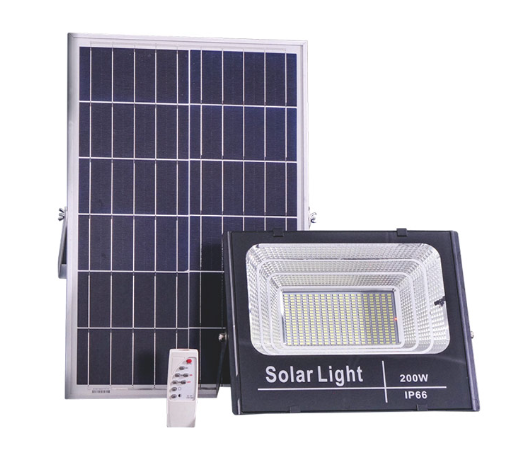
As night falls, whether it’s the soft glow along a garden path or the steadfast watch of streetlights in remote mountainous areas, solar LED lights are quietly transforming our way of illumination with their philosophy of “harnessing nature for endless use.” One of their core attractions is an astonishing service life that far surpasses traditional lighting tools. This is no accident, but rather a story of precise collaboration between light, electricity, and materials—a profound testament to technology’s interpretation of “longevity.”
The Pillars of Longevity: A “Marathon” of Two Core Components
The exceptional lifespan of solar LED lights is first rooted in the superior design of its two core components.Is White Light or Warm White Light Better for Solar LED Lights?
· The LED Light Source: Moving Beyond Filaments to Solid-State Light
Unlike traditional incandescent bulbs that rely on fragile filaments heating up to glow, an LED (Light Emitting Diode) is a solid-state semiconductor device. It generates photons directly through the recombination of electrons within semiconductor material. This physical process produces minimal wasted heat (especially with modern, efficient heat dissipation designs) and involves no burnable filament or fragile glass envelope. Therefore, the LED source itself has a theoretical lifespan exceeding 25,000 to 50,000 hours. This means if used for 10 hours daily, it can last nearly 7 to 13 years. Its end of life is typically not a sudden “burn-out,” but “lumen depreciation”—a gradual dimming to about 70% of initial brightness, a gentle and predictable process.Do Solar LED Lights Consume Electricity?
· The Solar System: A Sustainable Energy Cycle
The other pillar of longevity is the self-sufficient solar power system, comprised of the photovoltaic (PV) panel, battery, and intelligent controller. The PV panel converts sunlight into electricity; its core material, crystalline silicon, offers excellent stability with very slow performance degradation under normal conditions, enabling a service life of over 20 years. The intelligent controller is the system’s “brain.” It not only manages charge and discharge cycles but, more importantly, meticulously protects the battery—the relatively more vulnerable component—through multiple safeguards like overcharge protection, over-discharge protection, and temperature compensation. High-quality, deep-cycle batteries designed for solar applications, under the scientific management of the controller, can achieve a cycle life of 3-8 years, ensuring the long-term stability of the entire energy cycle.
The Path to Durability: A Symphony of Quality, Compatibility, and Environment
However, translating the potential of core components into real-world, long-lasting light requires navigating three critical challenges:
- Quality Sets the Floor: The quality of all components is fundamental. Products using inferior LED chips, inefficient PV panels, or rudimentary controllers may see their lifespan plummet to one or two years, or even just months.
- System Compatibility is Key: Excellent design ensures a balance between energy supply and demand. The PV panel power, battery capacity, LED power, and daily lighting hours must be precisely matched. Under-configuration leads to chronic battery undercharging and premature aging; over-configuration causes waste. The optimization algorithms of the intelligent controller are vital here.
- The Environment is a Variable: Extreme temperatures (especially heat damaging to batteries and LEDs), prolonged cloudy/rainy weather, and dust covering the PV panel all impact system performance and lifespan. Therefore, configuration suited to the local climate and simple regular maintenance (like cleaning the panel surface) are essential.How long does it take to charge a solar LED light?
Choosing and Caring: Extending the Light
For purchases, please add the following WhatsApp contact.
As users, we can maximize the value of each light through smart choices and simple care:
· When Purchasing: Focus on reputable brands. Examine specifications of core components (like LED chip brand, battery type and capacity, PV panel wattage) rather than just comparing price or appearance.
· During Installation: Ensure the PV panel faces true south without shading, and follow product guidelines.
· During Use: Understand that products are designed for a certain “autonomy” (number of continuous cloudy days). Allow time for recovery after extended severe weather. Regularly wipe the PV panel to maintain efficient light absorption.
Conclusion: Longer-Lasting Lights, A More Sustainable Future
The long lifespan of solar LED lights is far more than just a technical specification. It translates to less frequent replacements, lower maintenance costs, and significantly reduced electronic waste. When a light can work silently and reliably for over a decade, it saves not only electricity bills but also the planet’s resources. It illuminates the night while pointing towards a more energy-efficient, environmentally friendly, and self-sufficient sustainable future. This enduring glow, ignited by technology, is helping to write a brighter story of harmony with nature for us all.