
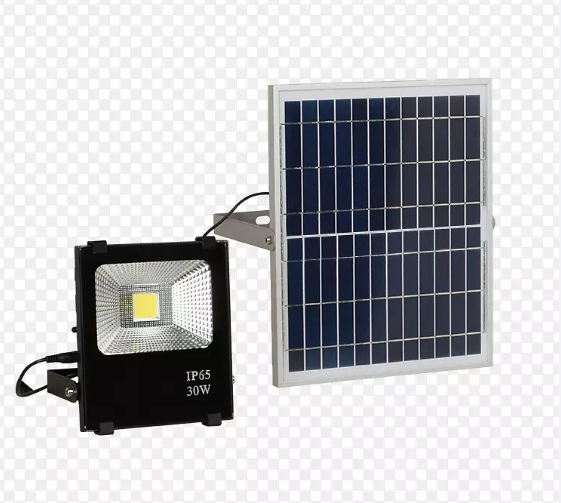
With the increasing popularity of environmental protection concepts, solar LED lights have become a popular product in the foreign trade market due to their advantages of energy saving, environmental friendliness, and convenient installation. They are widely used in courtyard lighting, road lighting, and commercial decoration. However, many users easily overlook a key parameter when purchasing – color temperature. Choosing the wrong color temperature can not only affect the lighting experience but also reduce user comfort. Today, we will explain the relevant knowledge about solar LED light color temperature to help you accurately match your needs for different scenarios.Which Material Is Best for Solar Garden Lights?
First, it’s important to understand that color temperature does not refer to the temperature of the light source, but rather to an indicator of the color of light, measured in Kelvin (K). Simply put, the lower the color temperature, the warmer the light, giving a warm and soft feeling; the higher the color temperature, the cooler the light, appearing bright and refreshing. Common solar LED light color temperatures are mainly divided into three categories: warm light (2700K-3500K), neutral light (4000K-5000K), and cool light (6000K-7000K). The applicable scenarios for different color temperatures vary significantly. Warm light (2700K-3500K) is the first choice for creating a cozy atmosphere. This type of light is close to the tone of sunset or candlelight, providing soft, non-glaring light that effectively reduces eye strain. It is suitable for use in courtyard leisure areas, villa gardens, and guesthouse terraces—scenes where atmosphere is important. Illuminating these spaces at night creates a comfortable and pleasant environment, enhancing the living or leisure experience. Furthermore, warm light is less attractive to insects, reducing mosquito gatherings outdoors, a feature highly favored by export customers.Solar LED Light Charging Time: Key Factors and Optimization Strategies
Neutral light (4000K-5000K) falls between warm and cool light. The light is natural and transparent, close to natural daylight, with good color rendering, faithfully reproducing the true colors of objects. Solar LED lights of this color temperature are suitable for a wide range of scenarios, from functional lighting areas such as outdoor corridors, garages, and balconies, to auxiliary lighting for shop entrances and office areas. For customers seeking both practicality and comfort, neutral light is often the most cost-effective choice and a consistently popular color temperature in export orders.Can Solar LED Lights Work in the Rain?
Cool light (6000K-7000K) is bright, sharp, and has strong penetrating power, providing clear illumination and making it suitable for scenarios emphasizing safety and visibility. Examples include outdoor parking lots, industrial parks, rural roads, and surveillance lighting. Cool light effectively improves nighttime visibility and reduces safety hazards. However, it’s important to note that prolonged exposure to cool light can cause eye strain and is not suitable for areas where people linger at close range, such as courtyard rest areas or bedroom windows. These scenarios should be avoided when purchasing.
For purchases, please add the following WhatsApp contact.
Besides scene matching, regional and usage habits should also be considered when choosing a light. For example, families in Europe and North America prefer warm light to create a homely atmosphere, while commercial spaces often use neutral or cool light. In Southeast Asia, due to the hot climate, the refreshing feel of cool light is more popular. For those in foreign trade, when showcasing and recommending products, it’s helpful to consider the needs of the target market and indicate the applicable scenarios for different color temperatures to help customers make quick choices.
In short, the core of choosing the color temperature for solar LED lights is “scene adaptation + usage requirements.” Warm light enhances ambiance, neutral light prioritizes practicality, and cool light emphasizes clarity. By precisely matching the light to the specific usage scenario, the advantages of solar LED lights can be fully realized. Hopefully, this information will help you and your customers avoid common purchasing mistakes and select the most suitable product.