
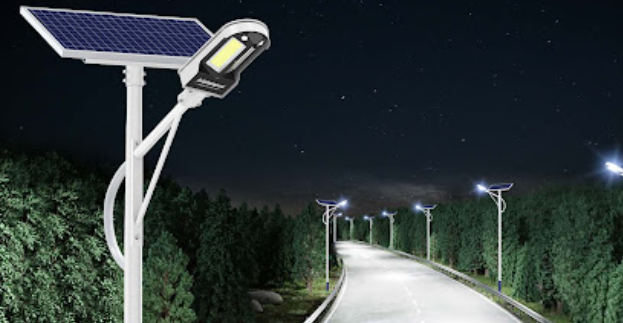
Solar street light malfunctions require systematic troubleshooting. The following procedures can resolve most common problem
I. Quick Diagnostic Process
- Observe three key elements: Check if the solar panel is clean, check the indicator light status, and listen for any abnormal noises from the controller.
- Basic Testing: After continuous rain, prioritize checking the battery; after continuous sunny days, check the controller for faults.
- Step-by-Step Isolation: Test the power generation, energy storage, control, and lighting systems in sequence. What to do if your solar streetlights are not working?
II. Common Fault Repair
- Completely No Lighting Fault
· Step 1: Check the Power System
Measure the battery open-circuit voltage: ≥12.5V for a 12V system.
Measure the solar panel open-circuit voltage: ≥18V on sunny days.
Measure the charging current: ≥70% of the nominal value at noon.
· Step 2: Check the Control System
Reset the controller: Disconnect the power for 5 minutes and then reconnect. Can Solar-Powered LED Lights Be Used Indoors?
Check settings: Confirm that the light control sensitivity is at an appropriate level.
Test the output: Short-circuit the control signal line and observe the lamp’s response.
· Step 3: Check the Lighting System
Measure the voltage across the LED terminals: It should have a normal operating voltage.
Check the connection lines: Pay special attention to the waterproof connectors.
Replacement Test: Cross-test with known working lamps.
For purchases, please add the following WhatsApp contact.
- Short Lighting Time Fault
· Battery Testing:
Capacity Test: Record discharge time after fully charging with a standard load.
Internal Resistance Test: Measure battery internal resistance using a dedicated instrument.
Visual Inspection: Check for bulges and leaks.
· Charging System Testing:
Track Charging Curve: Record charging voltage changes throughout the day.
Clean Solar Panel: Thoroughly remove dust from the frame.
Adjust Installation Angle: Ensure optimal sunlight reception.
- Intermittent Lighting Fault
· Check All Connectors: Reconnect and reconnect all connectors.
· Vibration Response Test: Gently tap the light pole and observe changes.
· Temperature Effect Monitoring: Record the ambient temperature when the fault occurred. Solar Garden Light Automatic Switch Setup
III. Component Replacement Guidelines
Solar Panel Replacement
Replacement Conditions:
- Power degradation to below 60% of initial value.
- Glass breakage area exceeds 10%.
- Used for more than 8 years.
Replacement Steps:
- Mark the original wiring polarity.
- New panel power is not lower than the original specification.
- Adjust to the optimal tilt angle and fix.
Battery Replacement
Replacement Timing:
- 1. Capacity less than 50% of nominal value
- Charge/discharge cycles exceeding 800 cycles
- Winter discharge time < 4 hours
Selection Recommendations:
· Ordinary areas: Deep-cycle gel batteries
· Cold areas: Low-temperature resistant lithium batteries
· High-temperature areas: Enhanced heat dissipation models
LED Module Replacement
Replacement Judgment:
- Light decay exceeding 30%
- Damaged LEDs exceeding 20%
- Obvious color difference
Operation Points:
- Record the original wiring method
- Match the power of the new module to the controller
- Apply thermal grease evenly
IV. Controller Repair
Fault Identification
- LED indicator light flashes abnormally
- Abnormal charging/discharging parameters
- Time control function malfunction
Solutions
- Restore factory settings (follow the instruction manual)
- Update firmware
- Replace with the same model controller
V. Professional Maintenance Points
Electrical Safety Measures
- Disconnect all power before maintenance
- Use insulated tools for operation
- Safety belts must be worn for high-altitude operations.
Waterproof sealing treatment. Key sealing points:
- Joint between lamp head and lamp body
- Battery compartment door sealing strip
- Conduit inlet
Sealing material: Silicone rubber sealing ring + waterproof adhesive
Lightning protection inspection. Annual pre-rainy season inspection:
- Grounding resistance < 10Ω
- Lightning arrester in normal condition
- Cable shielding layer intact
VI. Seasonal maintenance priorities
Spring maintenance (March-April)
- Thoroughly clean solar panels
- Inspect for winter damage
- Adjust lighting time settings
Summer maintenance (June-July)
- Strengthen heat dissipation system inspection
- Rainstorm protection sealing test
- Clear surrounding weeds
Autumn maintenance (September-October)
- Reinforce installation foundation
- Test battery capacity
- Prepare anti-freeze measures
Winter maintenance (November-December)
- Optimize installation angle
- Battery insulation treatment
- Snow Accumulation Prevention Plan Implementation
VII. Preventive Maintenance Plan
Monthly Inspection Items
- Surface Cleanliness
- Indicator Light Status
- Foundation Stability
Quarterly Inspection Items
- Electrical Parameter Measurement
- Mechanical Structure Inspection
- Protection Level Verification
Annual Overhaul Items
- System Efficiency Assessment
- Component Lifespan Prediction
- Technology Upgrade Planning
VIII. Maintenance Record Standards
Each maintenance should record:
- Fault Phenomenon Description
- Test Data Record
- Replacement Component List
- Maintenance Effectiveness Verification
Precautions
- Outdoor maintenance is prohibited in rainy weather.
- Professional recycling of used batteries.
- Replacement components should match original parameters.
- Follow-up observation for 72 hours after maintenance.
Through systematic maintenance management, the failure rate of solar streetlights can be reduced by more than 40%, and the service life extended by 3-5 years. It is recommended to establish a regular inspection system for early detection and handling to ensure the stable operation of the lighting system.