
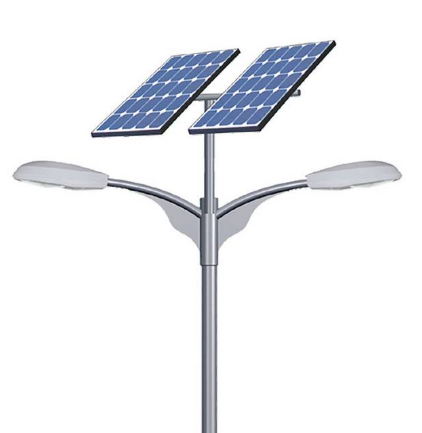
The Contract of Light and Time: The Art of Solar Streetlight Illumination
As dusk settles, streetlights illuminate urban and rural roads in sequence. These solar-powered streetlights begin to fulfill a silent contract with time. Their illumination duration is not simply a matter of turning on and off, but a delicate balance repeatedly weighed between natural rhythms, technological rationality, and human needs.Solar Garden Light Design
The illumination duration of solar streetlights is primarily governed by a “gift and deprivation” from the sky. Their fundamental energy source is sunlight; therefore, the length of sunshine and the abundance of sunlight directly determine the “income” of the energy storage batteries. In the sunny summer, with sufficient battery reserves, the streetlights can generously provide longer illumination; while in the rainy or long-night winter, the illumination time must be carefully calculated—this is the most instinctive adherence to natural rhythms. A smart street lighting system’s core controller acts like a careful steward, automatically and dynamically adjusting nighttime lighting strategies based on seasonal, latitude and longitude, and even daily weather forecasts.
For purchases, please add the following WhatsApp contact.
To maximize the certainty of lighting service amidst uncertain energy supply, modern solar street lighting systems have developed a series of sophisticated time management strategies. The most basic is time-based preset programming, such as maintaining full-power lighting during peak pedestrian and vehicular traffic hours from 6 PM to midnight, and automatically switching to a low-power “moonlight mode” in the late night and early morning, maintaining only basic safety guidance brightness. More intelligent is “on-demand lighting” combining sensing and dimming technologies. When radar or infrared sensors detect an approaching vehicle or pedestrian, the light instantly boosts to full brightness; once they move away, it quietly returns to a low-light, energy-saving state. This agility of being “on demand and off demand” ensures that every joule of electricity is used effectively.Can Solar LED Lights Be Dimmed?
A deeper philosophy of lighting time lies in resonating with the daily rhythms of the surrounding environment. Urban main roads require stable and long-term illumination to maintain the pulse of the nighttime economy and the bottom line of public safety; community walkways may focus more on the warmth of the evening and the tranquility and security of the late night; while the lighting hours of scenic spots or park trails are entirely designed to serve the activity cycle of tourists, and may even include “dark sky periods” for stargazing or maintaining ecological tranquility. Therefore, the “schedule” of an excellent solar street light should be tailored to the specific rhythms of life in its location, based on a deep understanding of the local community.Is White Light or Warm White Light Better for Solar LED Lights?
All this technological coordination ultimately serves a core humanistic goal: to create boundless safety and comfort within limited light. Stable lighting hours provide pedestrians and vehicles with predictable expectations, forming the basis of a sense of security; while intelligent dynamic adjustment avoids light pollution and energy waste caused by continuous high brightness throughout the night, demonstrating consideration for the starry sky and the environment. Light is no longer simply and indiscriminately dispelling darkness, but becomes a sculptor that can precisely carve time, outlining patterns of light and shadow with density, rhythm, and warmth on the long scroll of night.
The lighting time management of solar streetlights transcends the realm of pure engineering. It is a collaboration with the sun, a reverence for and efficient use of natural energy; a commitment to the community, safeguarding the peace and vitality of the night with the light of wisdom; and a responsibility to the future, extending every inch of meaningful light in the most sustainable way.
When a solar streetlight illuminates at its preset time and gracefully fades before dawn, it completes more than just a work cycle. It practices a lighting ethic that aligns with the seasons and cares for people, achieving perfect harmony between the rationality of technology and the poetry of time in every flicker of light.